
FILM REVIEW: THE HISTORY OF SOUND
Release date: 18 December 2025 (Australia)
Director: Oliver Hermanus
Starring: Paul Mescal; Josh O’Connor; Chris Cooper
Set in 1917, The History of Sound follows Lionel, a gifted young music student, who meets David at the Boston Conservatory. The pair form an immediate bond through their shared passion for folk music. Years later, a letter from David prompts Lionel to embark on an unexpected journey through the backwoods of Maine, collecting traditional songs. This reunion, their ensuing love affair, and the music they preserve will quietly but profoundly shape the course of Lionel’s life.
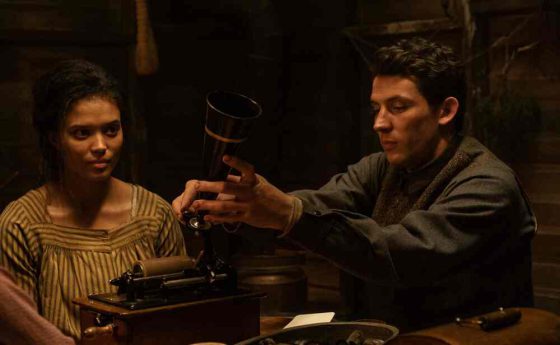
This is a film you can truly get lost in. Beautifully shot with rich tones and textures, it is rich in cinematography, drawing you into its world of music and love story, which adds depth and complexity. I was completely immersed in the two lead characters, perfectly cast with Paul Mescal and Josh O’Connor, whose performances feel deeply lived-in and emotionally sincere.

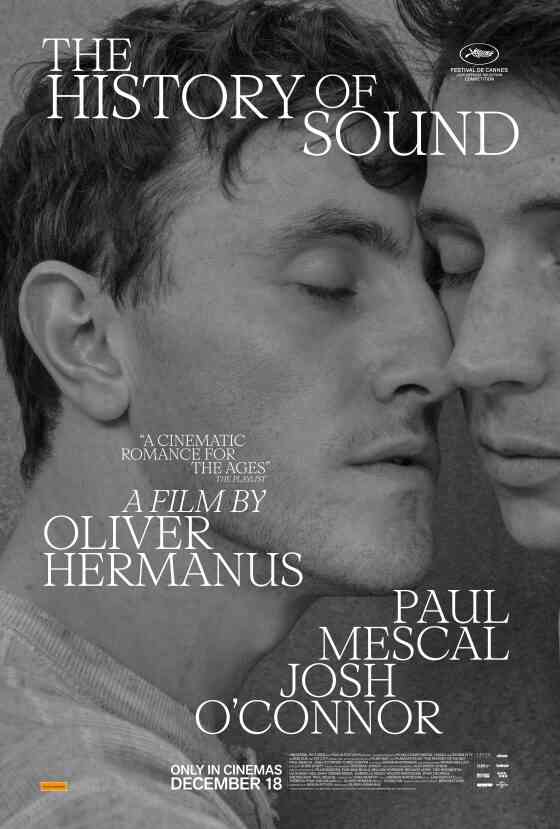
Director Oliver Hermanus was immediately drawn to the project, having read the source material in under an hour, and committed himself fully to bringing it to the screen. Despite delays caused by COVID-19, Hermanus spent years developing the film and securing its financing. Josh O’Connor expressed a strong interest from the very beginning, having heard about the project early on. Hermanus had previously hoped to cast Paul Mescal in another film of his called Living, which ultimately didn’t eventuate due to scheduling conflicts, but he knew Mescal possessed the necessary singing ability and emotional depth for this role. Bringing Mescal and O’Connor together for this tender love story as they are both amazing seeing them on screen.
The film is undeniably long, and viewers should be prepared for its measured pace. At times, it may feel as though certain moments could have been trimmed. However, I found myself flowing with its rhythms, particularly in the way it handles time and how it works with how they travel in the film, which takes them from Kentucky, Boston, and Maine to later moments in Rome and England. Each location has a purpose to the story as it mirrors the passage of life and memory.
Central to the film is Lionel and David’s mission to collect and preserve folk songs, with each song carrying its own story. As Hermanus explains, the heart of the film lies in the wonder of hearing a human voice recorded for the very first time—when that person is no longer present. The invention of Edison’s wax cylinder becomes a kind of magic: the ability to hold onto sound, memory, and emotion. Today, we take recording for granted—voicemails, playlists, endless archives of sound—but for these characters, this was wizardry brought into rural communities.
Sound in The History of Sound is inseparable from memory: a moment once shared, a song once heard, a love once lived. Before recorded sound, letters required imagination; voices were remembered but never heard again once someone passed. The idea of preserving something so intangible—something you can’t see or touch, only hear—becomes deeply moving.
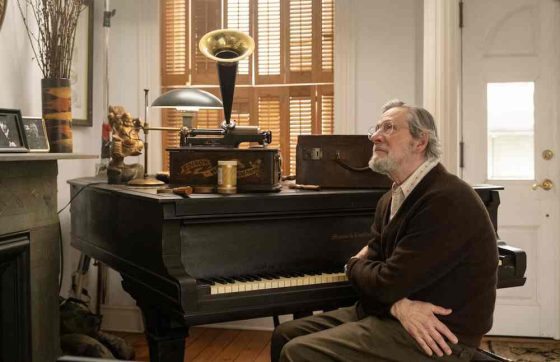
In our modern world, music is readily available as an emotional, healing, and calming experience. This film gently reminds us of what existed before, and of the profound shift that recording sound created in human connection. Even Edison himself believed the wax cylinder would only be used to record wills, never imagining it would give birth to recorded music.
The positioning of this story—its time, its characters, and its love story—beautifully reflects that journey of connection through sound. The film’s final moments are tender and have such emotions that I found myself shedding a few tears, moved by the resonance of love, memory, and the enduring power of sound.
This might not be everyone’s cup of tea, but it sure is great storytelling and one that needed to be told!
Caroline Russo
***half
