

On June 1st, the world marks what would have been the 100th birthday of Norma Jeane Mortenson—the woman who became Marilyn Monroe and, in doing so, became immortal. A century later, her face remains the most recognizable on the planet, pinned to the walls of new generations and flickering on screens in a way that defies the passage of time. To many, she was the ultimate screen siren, but to those who look closer at the posters, the well-worn biographies, and the film reels, she was a complex architect of her own image—a woman of immense passion, intellect, and a tragic, haunting mystery.
This journey toward legend began long before she was a household name. Discovered by a military photographer while inspecting parachutes during WWII, the transition from Norma Jeane to Marilyn was not an accident of luck, but a feat of sheer willpower. She was a woman who “dreamed hard,” often sitting in the front row of cinemas to escape a childhood she described as “kind of grim.” What many forget was her intense passion for the craft; she was a student of the arts who carried stacks of books and her white baby piano from set to set. When Hollywood tried to keep her in the “dumb blonde” box, she famously walked away from her contract and headed to New York to study under Lee Strasberg at the Actors Studio.
It was this intellectual hunger that created a profound duality between her public beauty and her private brilliance. Beyond the platinum curls and the famous “Marilyn walk”—which she reportedly perfected by shaving a quarter-inch off one heel to create that signature sway—there was a mind that constantly defied expectations. She was a global sex symbol who was deeply private, a woman who mastered the psychology of fame while simultaneously trying to protect the girl inside who just wanted to be seen for who she truly was. Her intellect wasn’t just for show; she was a pioneer for artist rights, forming her own production company in 1955 and taking on the “Big Studio” titans to demand—and win—approval over her directors.
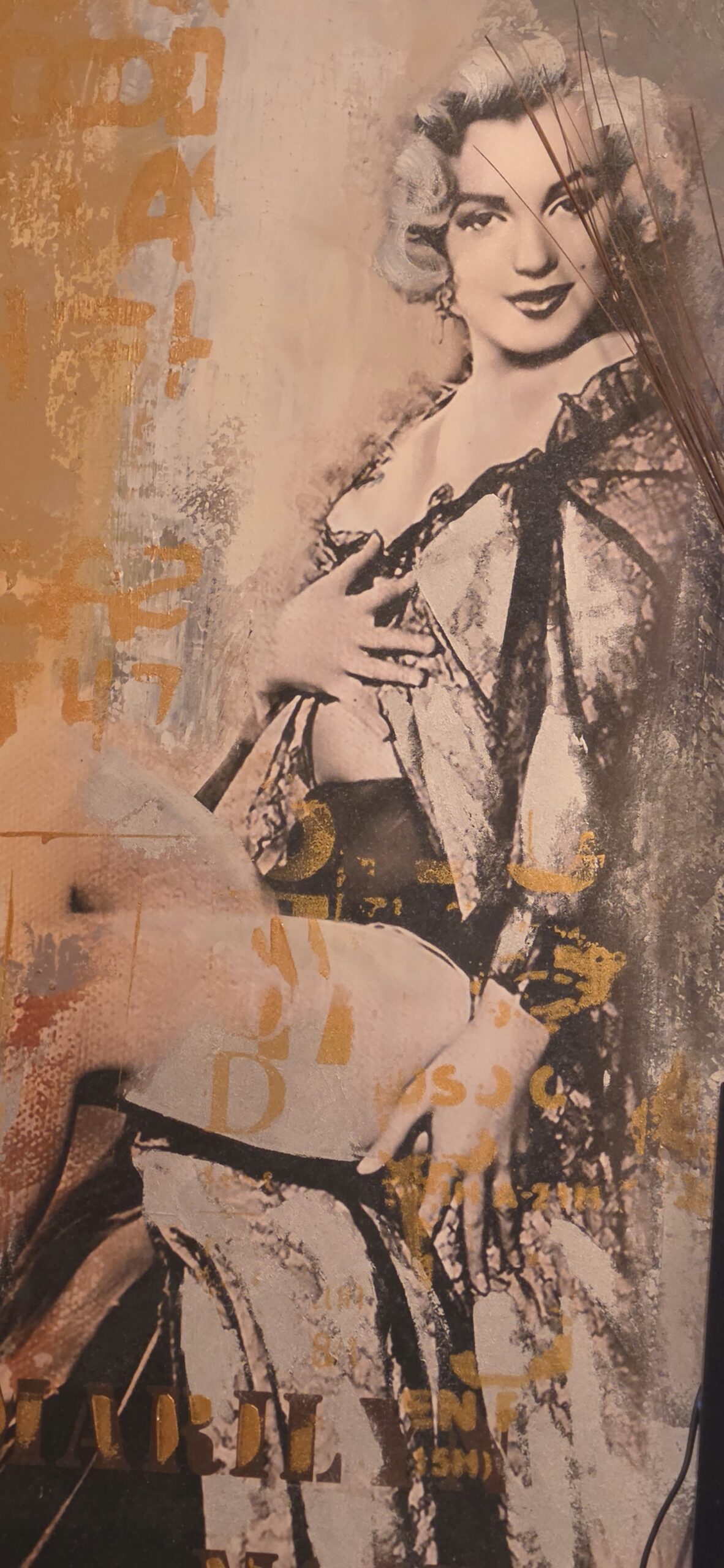
Yet, as her influence grew, so did the shadow of the mystery that surrounded her. The tragedy of Marilyn wasn’t just her ending, but the gap between how the world saw her and how she felt. She once said, “A career is wonderful, but you can’t curl up with it on a cold night.” The enigma that still haunts us today isn’t just about the circumstances of that August night in 1962; it’s the mystery of how a woman who brought so much light to the screen could feel so much darkness in the silence of her own home. She had a passion for life—loving her dogs and her small circle of trusted friends—yet she was a victim of an industry that often treated her as a product rather than a person.
Why, then, are we still talking about her at 100? It’s because she remains the ultimate human story: the struggle to be understood. Memorabilia is more popular than ever and She remains an icon because she was unapologetically herself, even when it cost her everything I feel. In the end, Marilyn Monroe wasn’t just a movie star; she was a woman who lead in her way who proved that you can come from nothing and thought hard work and determination she become who she was. She left in mystery of her death but she never be forgotten as even her first name Norma Jean shine on.
Caroline Russo
