
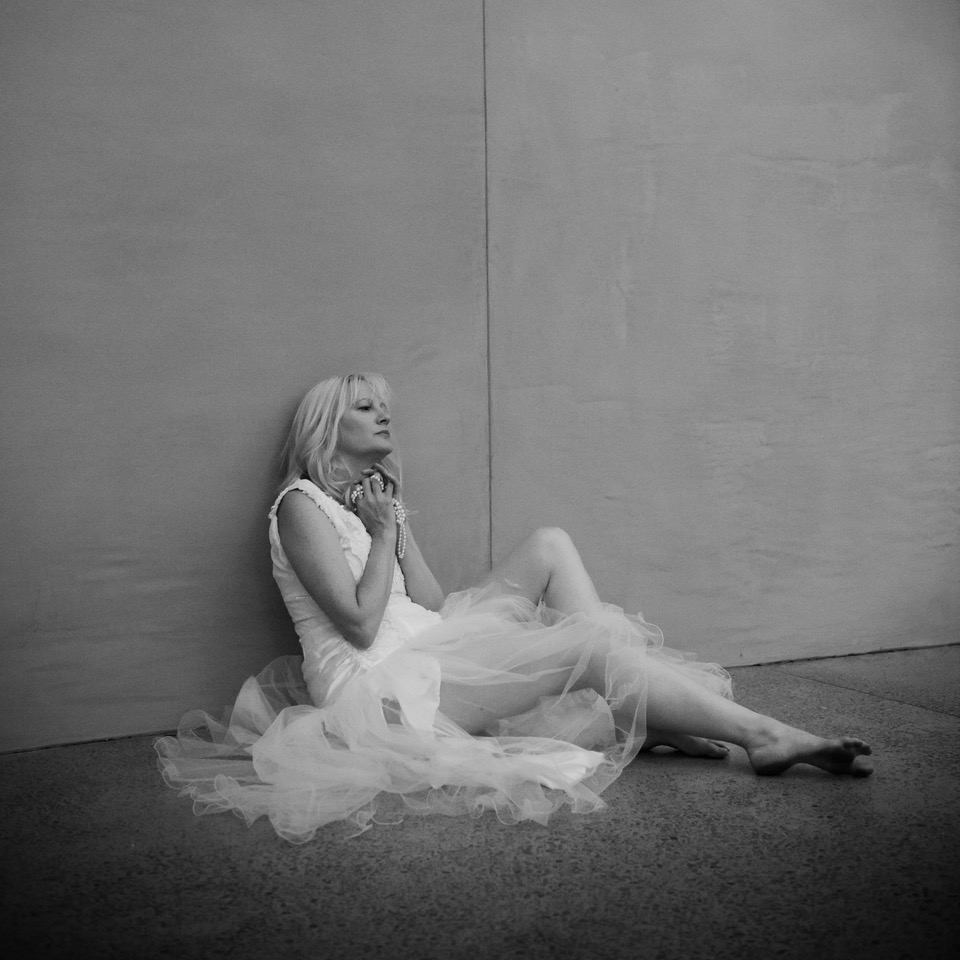
REN BARLOW
HUSH HUSH BIZ SINGLE REVIEW
Beautiful Lady
A mother says she will return. A child watches her leave. Between those two acts lies the whole history of work, family, poverty, duty and the promises people make because the alternative is silence. Beautiful Lady begins there, not in legend but in the ordinary world where legend is usually born: a doorway, a hurried goodbye, a working parent carrying guilt into the night. Ren Barlow has described the song as a love letter to her daughter, written from the memory of years when she had to leave the child she loved in order to earn the money that might give that child a larger life. The paradox is brutal and familiar. Presence is sacrificed in the name of possibility. A parent misses part of the childhood she is trying to protect. Time is lost so that the future might be gained. Country music has always understood that such contradictions are not problems to be solved but truths to be sung.
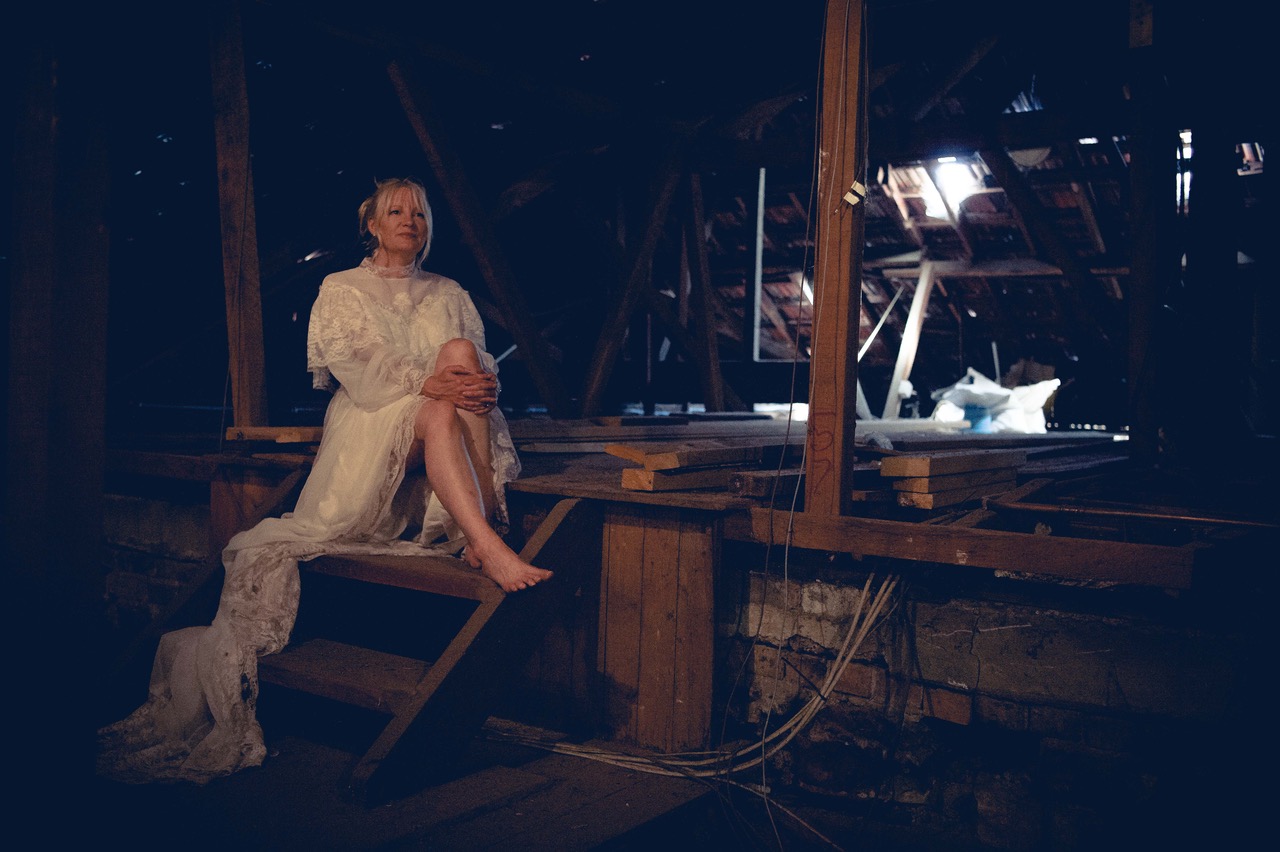 Beautiful Lady enters that tradition without dressing itself in borrowed dust or theatrical hardship. Its acoustic opening is clean and spacious. Tim Wild’s guitar traces the emotional ground carefully, while atmospheric textures hover at the edges like memory refusing to take a definite shape. Then comes the descending chord pattern, and with it the sensation that the song has stepped onto an old road: the road of departure, waiting and return. Barlow’s vocal is the centre of the record, though not because it dominates. It listens to the song as it sings it. Her training is evident in the control of breath and tone, but technical display is never the point. The voice carries both the adult knowledge that the sacrifices had meaning and the older fear that they may have left damage behind. Pride and apology occupy the same phrase. That tension gives the performance its authority. Produced by Barlow and Wild, with David Carr handling mixing, mastering and additional production, Beautiful Lady is built with unusual emotional discipline. It does not ask to be admired for its sincerity. It places sincerity at risk. The song stands before the daughter, and before the audience, with a question: did love survive the absences required by love? By the end, the answer is not announced. It is heard in the act of singing itself.
