

Fostering Global Animation, Creative Leadership, and the New Tech Frontier
QA with Josh Campbell with Caroline Russo
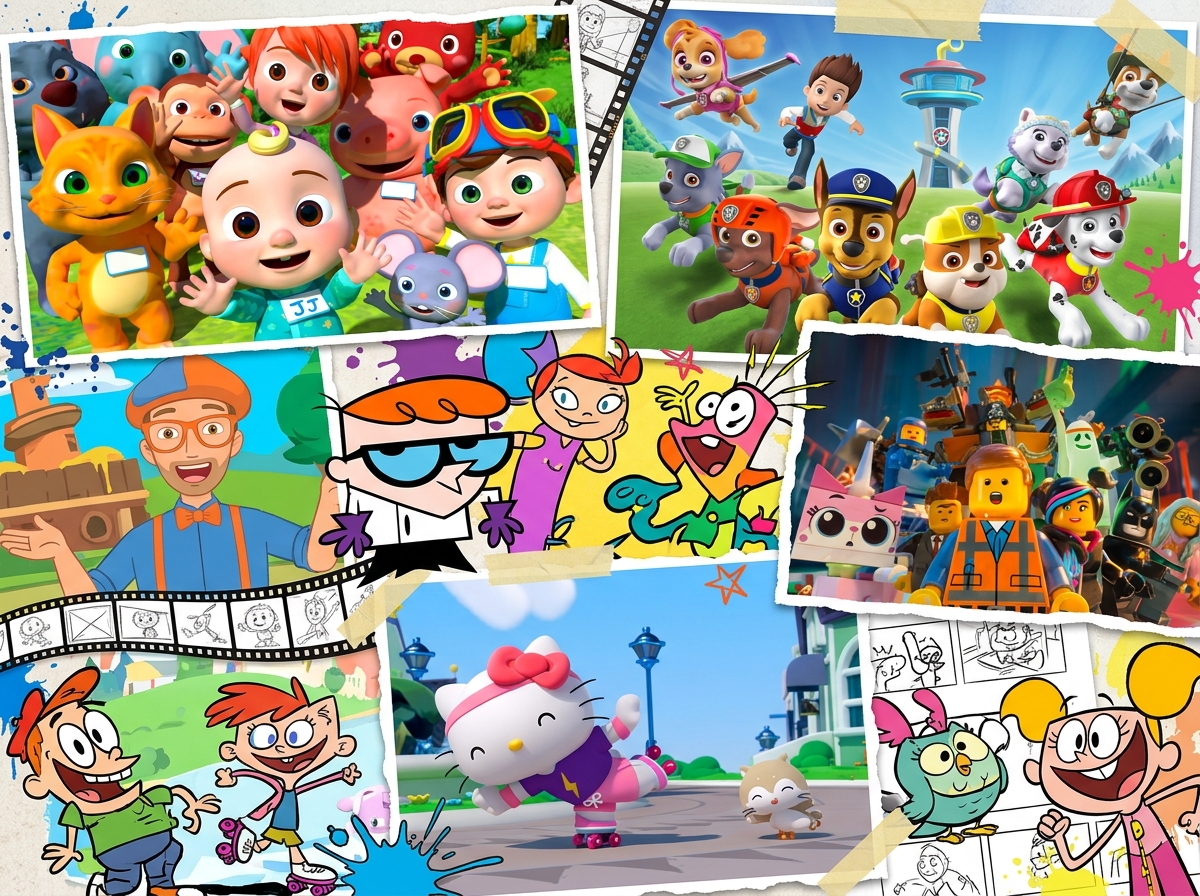
With over 12 years of powerhouse production and creative experience across animation, gaming, and digital entertainment, Josh Campbell has established himself as one of the industry’s most visionary executives. An Emmy Award-winning production leader whose career spans major high-profile roles—from Executive at WarnerMedia / Cartoon Network APAC to most recently serving as Director of Brand Partnerships at Moonbug Entertainment (CoComelon)—Josh has played a pivotal role in shaping some of the world’s most iconic kids and family IPs.
Operating at the intersection of creative storytelling, global pipelines, and emerging technologies, Josh brings a rare combination of high-level business strategy and deep creative empathy to every project he leads.
Having known Josh for most of these years, it was clear right from the start that he had that distinct “IT A factor” and passion for the industry. It is always a delight to speak with Josh, especially seeing his incredible hard work and success unfold over the years. In this exclusive Q&A for Hush Hush Biz, Josh reflects on his career milestones, shares his philosophy on leading global creative teams, and breaks down his vision for how human artistry and AI will drive the next era of animation.
THE REPUTATION & RECORD
With over 12 years of powerhouse production experience under your belt, what are you most proud of regarding how creative pipelines and brand partnerships have evolved under your direction?
Josh Campbell: I’m most proud of shifting pipelines from rigid, factory-like systems into agile frameworks that actually serve the artists. Early in my career, pipelines often felt like they were working against the creative process. By breaking down silos and fostering cross-department communication early in development, we’ve been able to build systems that protect both the budget and the creative vision. On the partnership side, I’m proud of moving brands away from treating animation as just a commercial vehicle and instead showing them how to be genuine storytelling partners.
You’ve worked on some of the biggest global IPs in kids’ entertainment. What is the secret to maintaining the core identity of such massive legacy brands while simultaneously pushing the envelope with fresh, original content?
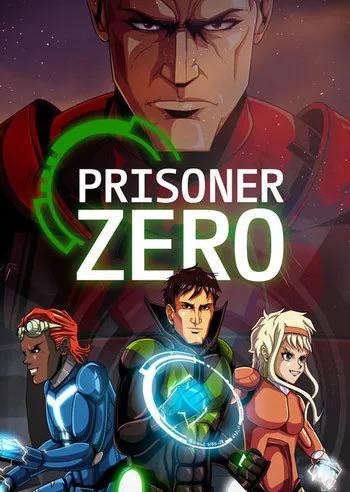
Josh Campbell: The secret is to identify the brand’s immutable “DNA” and fiercely protect it, while giving yourself permission to innovate everything else. For brands like LEGO or Sanrio, that DNA might be a specific core value—like imaginative play or kindness. As long as you stay true to that emotional core, you can push the envelope in the visual style, pacing, and technology used to build the world. You respect the legacy, but you don’t let it paralyze you.
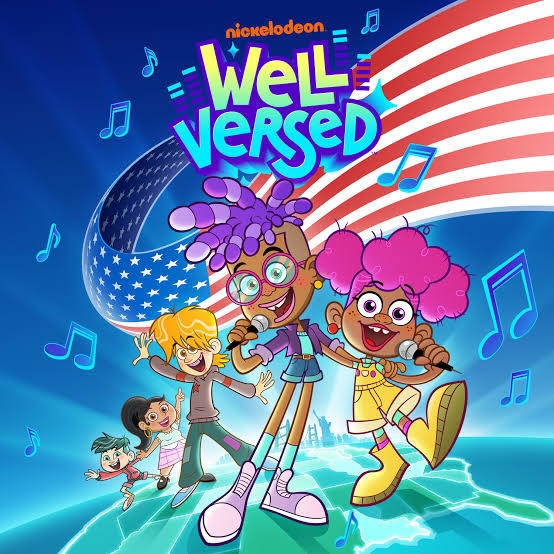
Winning an Emmy for Well Verse was an incredible achievement. Can you take us behind the scenes of that project? What made that specific production click so beautifully?
Josh Campbell: What made Well Verse click was the absolute alignment of vision across every single department. Tackling complex themes and merging music, education, and high-level animation presented unique production challenges, but our crew truly believed in the message we were delivering. When a team has that kind of deep emotional investment in a project, they stop just executing tasks and start actively elevating the material. It was a beautiful example of trust and collaboration firing on all cylinders.
You have a reputation for ensuring that no challenge goes unmet, and no budget or timeline goes unachieved. What is your personal philosophy for staying efficient and effective under intense pressure?
Josh Campbell: My philosophy is simple: front-load the problem-solving. In production, pressure usually comes from surprises that pop up mid-pipeline. I believe in extreme transparency and brutal honesty during pre-production. If a sequence is going to break the budget or the schedule, we address it on day one, not day fifty. Once everyone is on the same page and the roadmap is clear, panic is removed. Efficiency isn’t about rushing; it’s about having a plan for when things inevitably go sideways.
You have a long history of leading and mentoring diverse creative teams. How would you describe your personal approach to leadership to get the absolute best work out of your crew?
Josh Campbell: I view my role as a center: I hire brilliant people, and my job is to clear the roadblocks out of their way so they can do what they do best. I focus heavily on creating psychological safety. If an artist or a coordinator feels safe raising their hand to say “this isn’t working,” or “I made a mistake,” we can fix it immediately. If they are afraid, mistakes get hidden, and creativity is stifled. I give them the target, provide the resources, and then trust them to hit it. I have learned over many years, but it comes down to a simple code: Be Kind and have a good heart. Live Life by the (3) F’s – Fun, Funny, and Fearless.

GLOBAL PIPELINES & LOGISTICS
Your role has connected you with international studios. How has immersing yourself in different global cultures shaped your perspective on storytelling and content creation?
Josh Campbell: It has taught me the difference between what is culturally specific and what is universally human. Working with teams globally, you quickly realize that while humor or pacing might vary by region, core emotions—joy, fear, empathy, discovery—translate everywhere. It has made me a much more mindful producer. I’ve learned to listen more than I speak, and to rely on the diverse lived experiences of my international teams to make our content richer and more authentic.
With over a decade in animation, what do you feel is the most critical, yet often overlooked, ingredient in building a seamless production pipeline?
Josh Campbell: The human element. We spend so much time talking about software, render farms, and tracking tools, but the most critical ingredient is communication. A pipeline is just a map; the crew is the engine. If the storyboards department isn’t communicating effectively with the modeling team, all the tech in the world won’t save your schedule. Investing in team dynamics and cross-departmental empathy is the ultimate form of pipeline optimization.
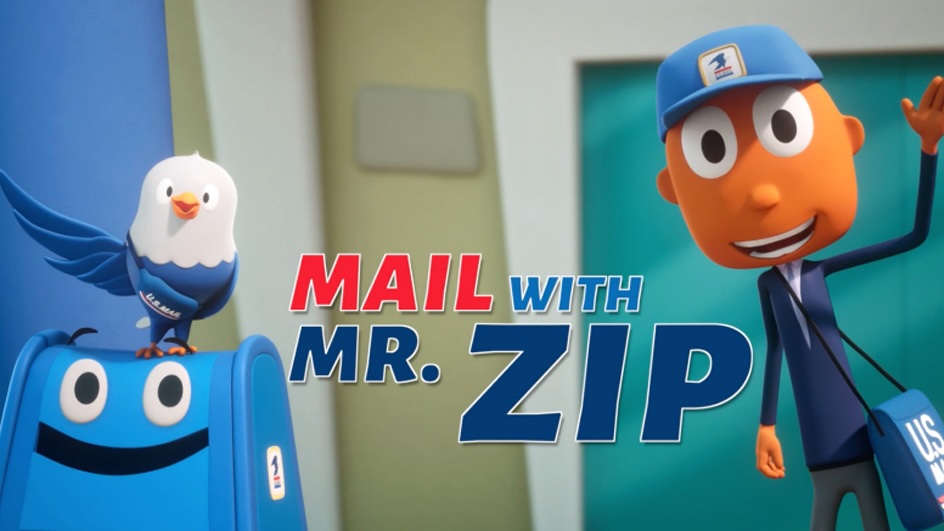
Brand partnerships require a delicate balance. How do you ensure that a brand integration feels organic and genuinely engaging for young audiences?
Josh Campbell: Kids have an incredible radar for inauthenticity. If you just slap a logo on a character or force a product into a scene, they will tune out immediately. The integration has to serve the story, not the other way around. We ask ourselves: “Does this integration solve a problem for the characters? Does it enhance the fun?” If the answer is no, we go back to the drawing board. It has to feel like a natural extension of the world we’ve built.
Your experience spans across multiple genres and demographics. How does your production strategy shift when you are creating content for a legacy brand like Crayola versus developing entirely new, original properties?
Josh Campbell: With a legacy brand like Crayola, you are serving an audience that already has a relationship with the IP. The strategy is about protecting that established trust while expanding the universe—your guardrails are already defined. With a new, original property, you are building from zero. The strategy shifts to take bigger swings and establish the rules of the world quickly. You have to earn the audience’s trust in the first 30 seconds, which requires a much more aggressive approach to visual development and character introduction.
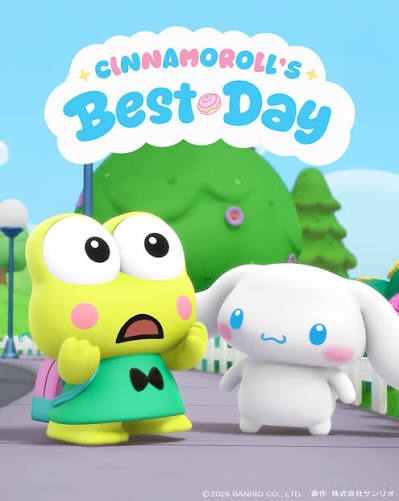
The logistics of production are massive undertakings. What advice would you give to emerging producers who want to master the business side without losing their creative spark?
Josh Campbell: Treat the budget and the schedule as creative parameters, not creative enemies. Early on, it’s easy to view spreadsheets as the thing stopping you from making great art. But the reality is that constraints breed innovation. If you don’t have the budget for a massive crowd scene, how can you rewrite the scene to make it more intimate, tense, and character-driven? Mastering the business side means learning how to use resources to protect the core emotion of the story.
THE TECH & INNOVATION FRONTIER
The animation industry is evolving rapidly. As a production leader, how do you foresee AI integrating into the animation space over the next few years?
Josh Campbell: I see AI functioning as a powerful co-pilot, particularly in the most labor-intensive and tedious parts of the pipeline. We will see it used heavily in asset management, optimizing render times, assisting with initial ideation, and streamlining technical troubleshooting. The goal shouldn’t be to replace the creative process, but to compress the timeline between having an idea and seeing it on screen.
Where do you see the balance lying between using AI as a tool for pipeline efficiency versus protecting the irreplaceable human creativity of animators and writers?
Josh Campbell: The balance lies in recognizing what AI lacks: lived experience, empathy, and intent. AI can generate a technically proficient image or structure, but it doesn’t know why a certain moment is heartbreaking or hilarious. We should use AI for the how—how we render faster, how we generate background assets, how we track data. But the why—the soul, the nuance of a character’s glance, the thematic resonance of a script—must fiercely remain in the hands of human artists.
Do you think the rise of AI technology will lower the barrier to entry for independent creators, or will it shift the role of the traditional producer in managing tech-driven teams?
Josh Campbell: It will absolutely do both. We are going to see a massive democratization of storytelling, where independent creators who previously couldn’t afford a team of 50 animators can now execute high-level concepts. For producers, our role will shift from primarily managing resources and logistics to focusing more heavily on curation, taste, and strategy. When anyone can generate content, the producer’s value is in knowing which content actually connects with an audience and how to guide it to market.
For the next generation of animation professionals entering the industry right now, what skills do you think they need to cultivate to stay ahead of the curve in this tech-evolving landscape?
Josh Campbell: They need to cultivate their taste, their critical thinking, and their foundational storytelling skills. Software is going to change every six months from here on out. If your only value is knowing which buttons to push in a specific program, you will struggle. But if you deeply understand composition, color theory, pacing, and human psychology, you will be invaluable. Master the fundamentals, and remain endlessly adaptable to the tools.
You’ve achieved over a decade of incredible milestones. As you look toward the landscape today, what kind of creative and strategic challenges are you most hungry to tackle next?
Josh Campbell: I’m incredibly energized by the intersection of new, disruptive technologies and traditional, high-quality narrative storytelling—building original global IPs from the ground up and utilizing cutting-edge pipelines to bring them to market faster without ever sacrificing heart. The industry is in a pivotal transitional moment, and I’m hungry to lead teams that are brave enough to write the new playbook, rather than just clinging to the old one.
