
HUSH HUSH BIZ FILM REVIEW
SENSE AND SENSIBILITY: A BREATHTAKING NEW ADAPTATION THAT SETS THE BAR HIGH FOR JANE AUSTEN’S CLASSIC
Starring Daisy Edgar-Jones, Esmé Creed-Miles, George MacKay, Frank Dillane, Herbert Nordrum, Caitríona Balfe and Fiona Shaw.
Directed by Georgia Oakley | Written by Diana Reid | In Australian cinemas Thursday, 15 October 2026.
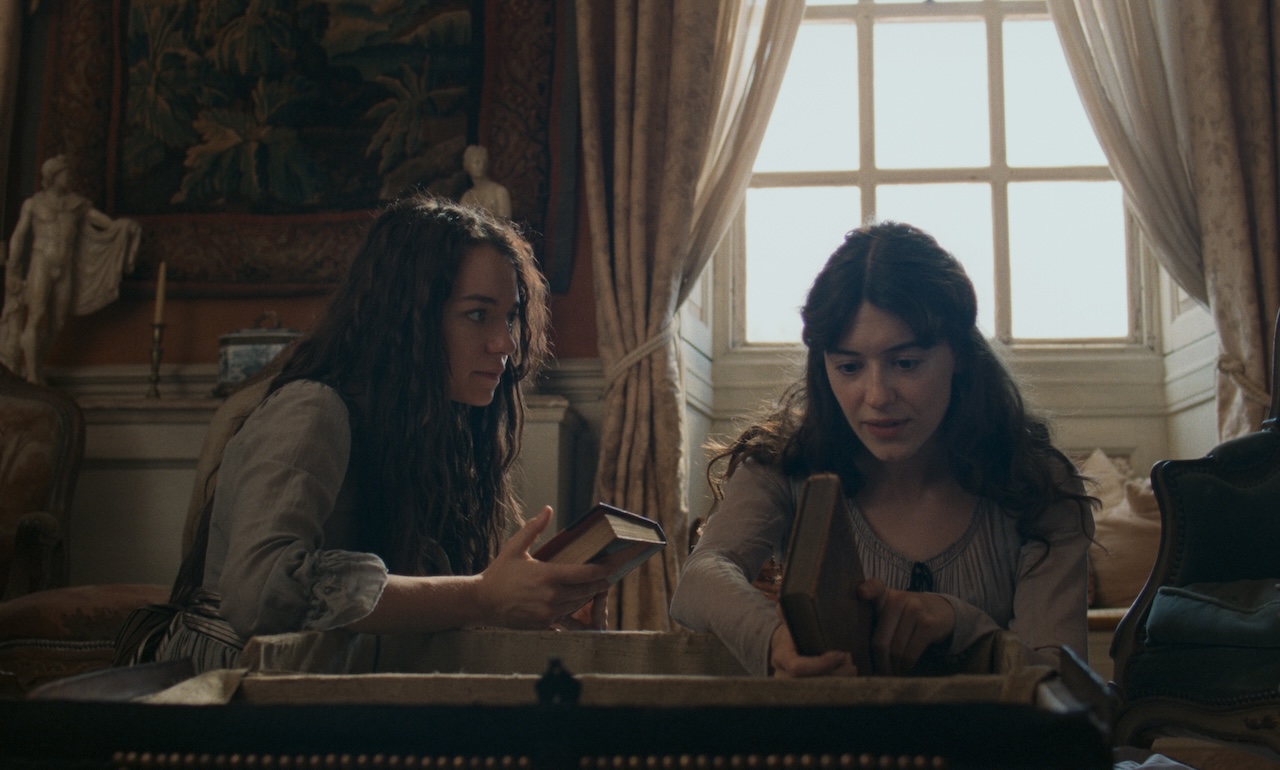
There are some stories that never lose their appeal, and Jane Austen’s Sense and Sensibility remains one of those timeless classics that continues to find its way into the hearts of audiences. But when a much-loved story has already been brought to the screen in memorable fashion, the challenge for any new adaptation is finding a way to make it feel fresh, relevant and worthy of another telling.
Well, I believe this new 2026 film adaptation has done exactly that.
Beautifully crafted, with a terrific ensemble cast and two leading performances that work dynamically together, Sense and Sensibility is a period drama that captured my attention through its emotional depth, breathtaking cinematography, exquisite costumes and magnificent locations. There is a wonderful sense of atmosphere throughout this film, and director Georgia Oakley has taken a different approach to Austen’s familiar tale, giving it a more earthy, intimate and emotionally raw quality.
At the heart of the story are sisters Elinor and Marianne Dashwood, played by Daisy Edgar-Jones and Esmé Creed-Miles, whose lives are thrown into uncertainty following their father’s death. With their family circumstances dramatically changed, the Dashwood women must leave their former home and navigate a world where financial security, social standing and marriage can determine their future.
While romance remains central to the story, this adaptation also gives greater weight to the vulnerability of women living in a society where their choices are restricted by class, wealth and expectations. Love is never simply a matter of following one’s heart; it comes with consequences, compromises and the very real question of survival.
Edgar-Jones brings a wonderful sense of restraint and emotional intelligence to Elinor, a woman who often keeps her feelings guarded while carrying the weight of responsibility for those around her. Creed-Miles, meanwhile, brings a different energy to Marianne, whose passionate nature and willingness to embrace her emotions create a compelling contrast.
Together, the two actresses make the relationship between the sisters one of the film’s greatest strengths. Their performances complement each other beautifully, capturing the tension, affection and unspoken understanding that exist between two women who may approach life differently but are bound by family and circumstance.
The supporting cast adds further depth to this richly drawn world. George MacKay brings a quiet presence to Edward Ferrars, while Frank Dillane adds complexity to the romantic complications surrounding Mr Willoughby. Herbert Nordrum’s Colonel Brandon, Caitríona Balfe as Mrs Dashwood and Fiona Shaw as Mrs Jennings all contribute to the film’s impressive ensemble.
What particularly stood out to me was the film’s visual storytelling. The cinematography is simply breathtaking, with the sweeping countryside, windswept hills and atmospheric interiors doing far more than providing a beautiful backdrop. The landscapes seem to reflect the emotional lives of the characters, while the more confined indoor settings remind us of the social restrictions they face.
Shot using 35mm film alongside digital technology and vintage Panavision lenses, the production has a wonderfully textured, almost tactile appearance. The camera often draws us closer to the characters, allowing a glance, a pause or a subtle change in expression to communicate what words cannot. Rather than relying on grand romantic gestures, the film allows emotion to emerge through those quieter moments.
The locations in southwest England are another highlight, with the rugged surroundings of Dartmoor helping create a world that feels lived in rather than polished for a romantic fairy tale. The costumes are equally impressive, beautifully reflecting the period while complementing the natural tones and restrained visual style.
For me, these elements elevate the production. The attention to detail gives the film an authenticity that draws you into Austen’s world, while the direction allows the emotional struggles of the Dashwood family to feel surprisingly contemporary.
Of course, comparisons with Ang Lee’s celebrated 1995 adaptation, starring Emma Thompson and Kate Winslet, are inevitable. That film holds a special place in the history of Austen adaptations, with Thompson’s acclaimed screenplay and the performances of its outstanding cast helping establish it as a much-loved period romance.
But I don’t believe this new version needs to compete with its predecessor. It takes the story in a different direction, exchanging some of the earlier film’s more conventional romantic warmth for a moodier, more grounded examination of sisterhood, economic insecurity and the cost of social expectations.
Where the 1995 film offered audiences a richly entertaining romantic journey, Oakley’s interpretation places greater emphasis on the circumstances surrounding the Dashwood women’s struggle to establish a secure future. It is a less glossy, more windswept vision of Austen’s world, and one that gives the story a different kind of emotional power.
At 131 minutes, this is a film that allows its characters and atmosphere room to breathe. Its measured pace and more introspective tone may not be everyone’s preferred approach to a period romance, but I found the combination of strong performances, thoughtful direction and striking visuals made for a thoroughly engaging cinematic experience.
Ultimately, Georgia Oakley’s Sense and Sensibility does not try to replace the beloved 1995 Emma Thompson classic; instead, it boldly reimagines it for a new generation. While the 1995 film remains the gold standard for period romance, this 2026 adaptation succeeds brilliantly by capturing the true environmental and economic reality of Jane Austen’s world. Through its moody, textured cinematography and raw, windswept locations, it strips away the traditional glossy fairy tale to deliver something far more visceral: a gripping, tactile survival story of sisterhood that feels remarkably modern.
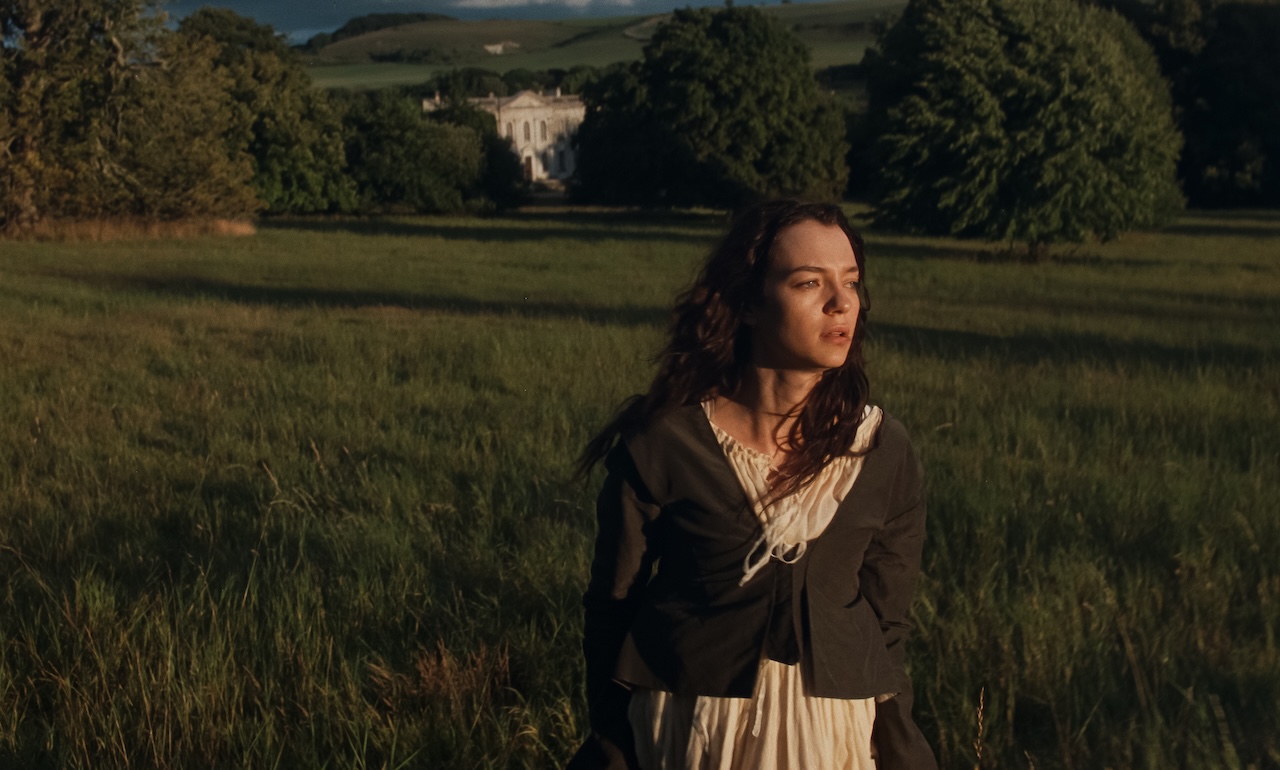
For me, this is a beautiful piece of filmmaking, supported by a cast who bring genuine feeling and conviction to their roles. The chemistry between the leads, the breathtaking locations and the exquisite costumes all combine to create a production that deserves to be seen on the big screen.
If you love Jane Austen, period dramas or simply appreciate cinema where the performances and visual storytelling work together to transport you to another time, this new Sense and Sensibility is certainly one to put on your cinema list.
Hush Hush Biz verdict: A beautifully realised and visually striking new take on a timeless classic, with a wonderful ensemble cast and a fresh perspective on love, loss and the enduring strength of sisterhood.
Review Caroline Russo
