
REN BARLOW
HUSH HUSH BIZ REVIEW
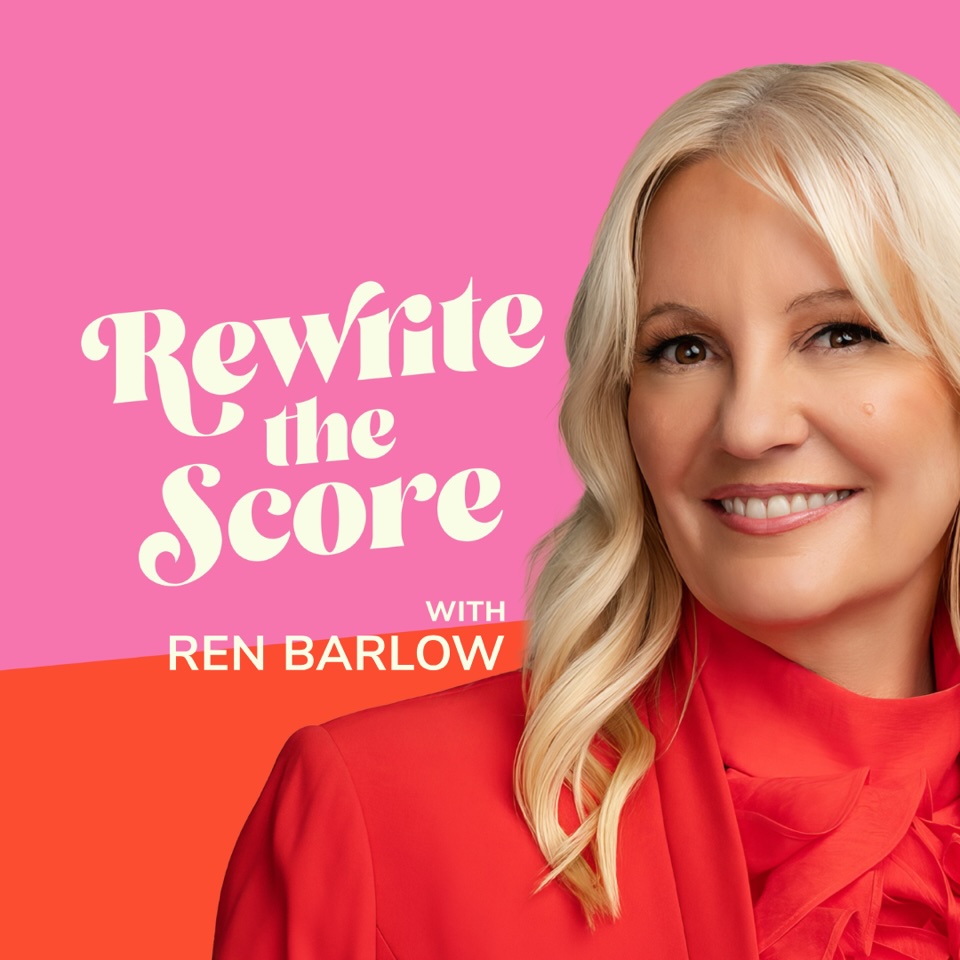
Rewrite The Score Podcast
There has always been a contradiction at the centre of popular music. A singer stands before an audience and opens her mouth, and what comes out belongs to her alone. Yet the meaning of that voice, the circumstances under which it can be heard, the kind of woman it is supposed to represent, may already have been decided by somebody else. That’s the territory Ren Barlow enters with Rewrite the Score, a new podcast concerned less with the machinery of musical success than with the invisible agreements that govern our lives. Its starting point is almost deceptively simple: everyone inherits a score. Family writes a passage, culture adds a refrain, institutions establish the rhythm, and somewhere along the way the individual begins confusing obedience with identity. Popular music has been wrestling with this contradiction for generations. From the supposedly innocent declarations of early rock and roll to the self-invention of punk, new wave and contemporary pop, the great recurring promise has been that a voice might become an instrument of liberation. The promise is intoxicating. Its fulfilment is another matter.
Barlow’s opening guest, Tania Doko of Bachelor Girl, offers a particularly interesting illustration. With Buses and Trains, Doko helped create one of those Australian pop records that escaped its immediate circumstances and entered the country’s collective musical memory. But success has a peculiar habit of becoming a set of instructions. The audience knows what it wants. The industry knows what it can sell. The performer is expected to recognise the difference between opportunity and ingratitude. Doko’s decision to leave Australia for Sweden, to pursue another creative existence without assurances of success, introduces an altogether different kind of ambition.
At its best, the show’s premise suggests that music is more than a collection of records, performances and memories. It is a living argument about who gets to speak, who gets heard and who has the authority to determine what comes next. The first notes may have been written long before we arrived. That doesn’t mean the song is finished.
